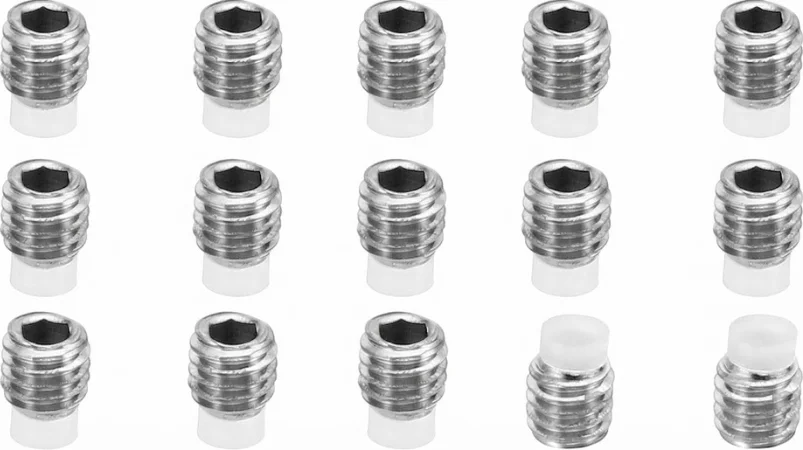
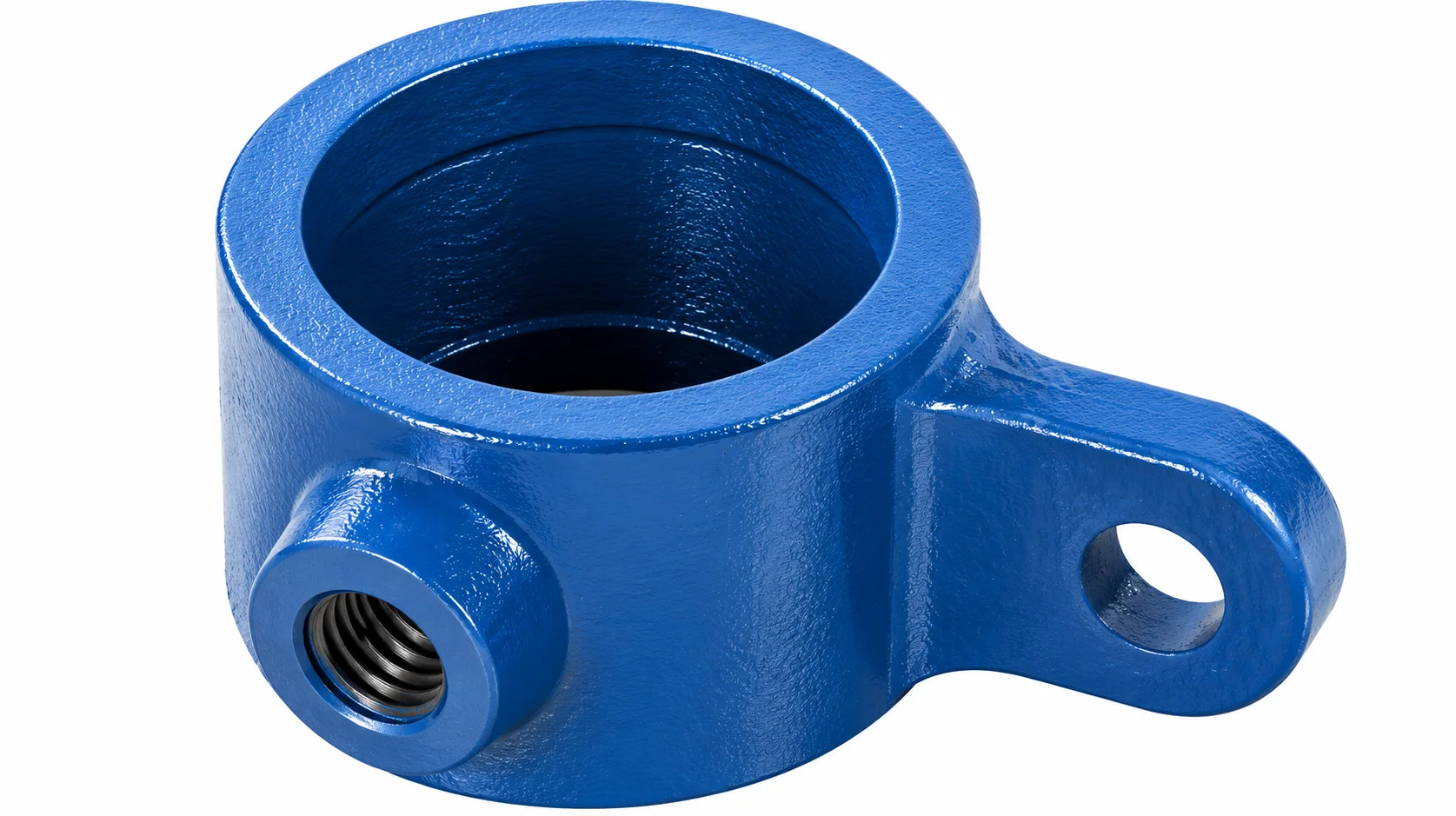
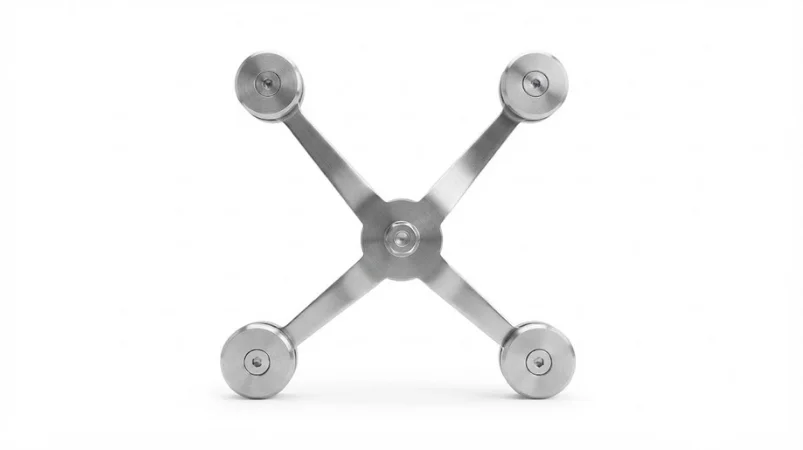
Stud fittings are threaded rod components used in conjunction with support fittings, brackets, and auxiliary structural elements to create secure mechanical anchorage points within modular structural systems.
They act as load-carrying connectors, tie rods, or adjustable attachment members, enabling secondary supports, instrumentation, or sub-frames to be rigidly connected to the primary structure. Studs enhance the strength, flexibility, and expandability of the overall framework without requiring welding or permanent fabrication.
Studs are installed by passing through support fittings or brackets and secured using nuts and washers, allowing precise adjustment and controlled load transfer.
Catalogue Models & Dimensions
|
Catalogue Ref |
Diameter / Thread |
Length (mm) |
|
STUD 5/16-150* |
5/16″ |
150 |
|
STUD 3/8-150* |
3/8″ |
150 |
|
STUD 1/2-200 |
1/2″ |
200 |
Notes:
Material & Construction
Functional Role in Structural Systems
Studs provide threaded connectivity where clamp-type fittings alone are insufficient. They are essential when:
They convert modular fittings into load-secure mechanical joints, increasing system versatility.
Key Advantages & Benefits
Design & Installation Considerations
Typical Applications
Stud fittings are used for:
Frequently Asked Questions (FAQ)
Q1. Are studs load-bearing components?
Yes. Studs are designed to carry tensile and axial loads when properly sized and installed.
Q2. Can studs be cut or extended?
Cutting is possible, but it may affect thread integrity. Use standard lengths or approved extensions where possible.
Q3. Should studs be used alone without brackets or supports?
No. Studs should always be used in combination with support fittings or brackets to distribute load safely.
Q4. Are studs suitable for vibrating installations?
Yes, provided locknuts or secondary fixation methods are used.
Q5. Can studs be reused?
Yes, if threads are undamaged and corrosion-free.
Where Stud Fittings Are Essential