Kettles

Kettles

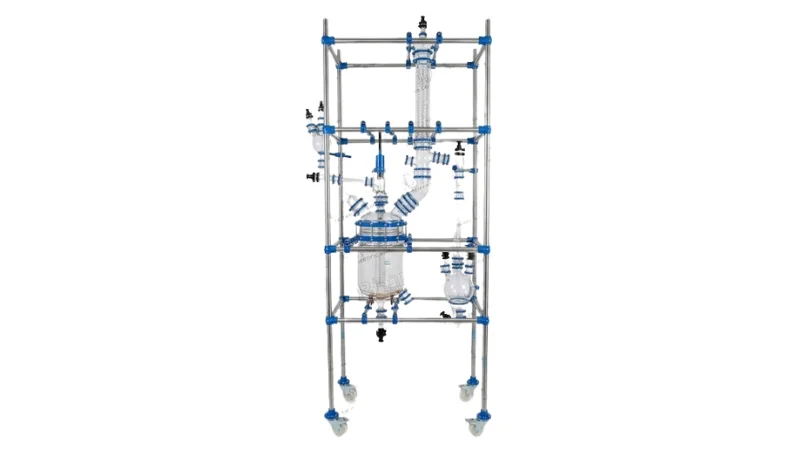
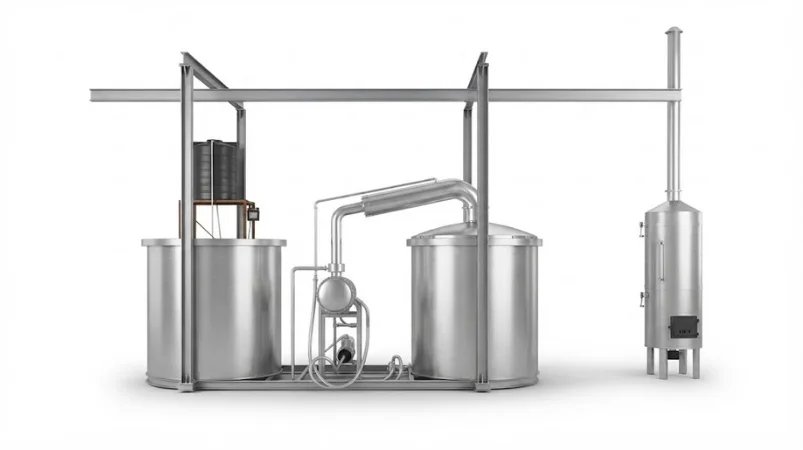
Kettle Vessels are versatile process vessels used for heating, boiling, mixing, and batch processing across chemical, pharmaceutical, food, and research industries. Designed for controlled thermal operations, kettle vessels support uniform heat transfer, safe handling, and efficient discharge of processed materials.

At Bhanu Scientific Glass Co., kettle vessels are supplied in borosilicate glass construction for applications requiring chemical resistance, visual monitoring, and thermal stability, with design options inspired by proven industrial kettle systems.

Kettle vessels operate as batch heating and mixing units, where the contents are heated either directly or through a jacketed system using steam, hot water, or thermal fluids. Their rounded geometry promotes even heat distribution, reducing hotspots and improving process consistency.

The transparent glass design allows operators to visually monitor boiling behavior, mixing efficiency, and phase changes in real time —a major advantage over opaque metal kettles.

How Kettle Vessels Work

  1. Product is charged into the kettle through the top inlet or charging port
  2. Heat is applied via external jacket or controlled heating source
  3. Optional internal baffles or stirrers ensure uniform mixing
  4. Boiling, heating, or concentration occurs under controlled conditions
  5. Finished material is discharged via pouring spout or bottom outlet

This setup enables safe, repeatable batch operations with high process visibility.

Key Features of Kettle Vessels

  • Borosilicate glass construction for chemical resistance
  • High heat resistance suitable for thermal processes
  • Smooth internal surfaces for easy cleaning
  • Easy pouring spout or discharge outlet
  • Suitable for batch heating and mixing
  • Compatible with manual or assisted handling systems

Technical Specifications (Typical)

  • Material: Borosilicate glass 3.3
  • Capacity range: Multiple capacities available (lab to pilot scale)
  • Heating method:
    • External jacket (steam / hot water / thermal fluid)
    • Controlled external heat source
  • Design type:
    • Fixed kettle
    • Semi-tilt or discharge-assisted design
  • Ports & nozzles:
    • Charging inlet
    • Vent / vapor outlet
    • Drain or pouring spout
    • Optional instrumentation ports
  • Operating conditions:
    • Atmospheric pressure
    • Thermal operation within glass limits

Optional Accessories & Add-Ons

  • Internal mixing baffles
  • Glass or PTFE stirrers
  • Temperature measurement ports
  • External support stands or frames
  • Custom outlet geometry for viscous products
  • Integration with condensers or receivers

Applications of Kettle Vessels

Kettle vessels are widely used for:

  • Batch heating and boiling operations
  • Concentration and evaporation processes
  • Solvent removal and reduction
  • Intermediate holding and blending
  • Reaction heating at controlled temperatures
  • Pilot-scale and laboratory production

Industries We Serve

  • Chemical & specialty chemical manufacturing
  • Pharmaceutical & API processing
  • Food & beverage R&D and pilot plants
  • Fine chemicals
  • Research laboratories
  • Process development facilities

Benefits of Glass Kettle Vessels

  • Excellent chemical compatibility with aggressive media
  • Visual process monitoring improves safety and control
  • Uniform heat transfer for consistent batch results
  • Easy cleaning and low contamination risk
  • Ideal for small to medium batch operations

Safety & Operating Advantages

  • Heat-resistant borosilicate glass minimizes thermal shock risk
  • Rounded design reduces stress concentration
  • Smooth discharge prevents product hold-up
  • Designed for stable mounting and safe handling
  • Suitable for controlled heating without pressure buildup

Why Choose Our Kettle Vessels?

  • Precision-crafted scientific glass construction
  • Designed for thermal efficiency and operator safety
  • Customizable to match specific process requirements
  • Suitable for industrial, pilot, and laboratory use
  • Trusted manufacturing expertise in process glass equipment

Frequently Asked Questions (FAQ)

Q1. Are kettle vessels suitable for corrosive chemicals?
Yes, borosilicate glass provides excellent corrosion resistance.

Q2. Can these vessels handle boiling operations?
Yes, they are designed for controlled heating and boiling.

Q3. Are different capacities available?
Yes, multiple sizes can be supplied based on application.

Q4. Can mixing be added to kettle vessels?
Optional stirrers or baffles can be integrated.

Related Products

Technical Support

View Details

Adaptor Plate for Reactors

View Details

Installation Services

View Details

Triple Wall Jacketed Vessel

View Details

Cyclones with Internal Cooling Coil

View Details

Essential Oil Distillers Advanced Models

View Details

Kettles

View Details

SS 304 Frame Sight Glass

View Details

Hose Connectors

View Details

Decantor Vessels

View Details

Hose Connectors 90 Degrees

View Details

Column Feed Pipes

View Details