- About Us
-
Products
- Industrial process systems
- Technical and turnkey solutions
- Glass vessels and containers
- Flow components and piping
- Columns and column components
- Agitation and drive systems
-
Support systems and accessories
- Heat Transfer Equipment
- Measurement & Control
- Joining & Connection Systems
-
Structural Support Systems
- Column Support
- Vessel Support Systems
-
Structure Components
- Structure Tubes
- Structure Fittings Base
- Structure Fittings Coupler
- Structure Fittings Bend
- Structure Fittings Tee
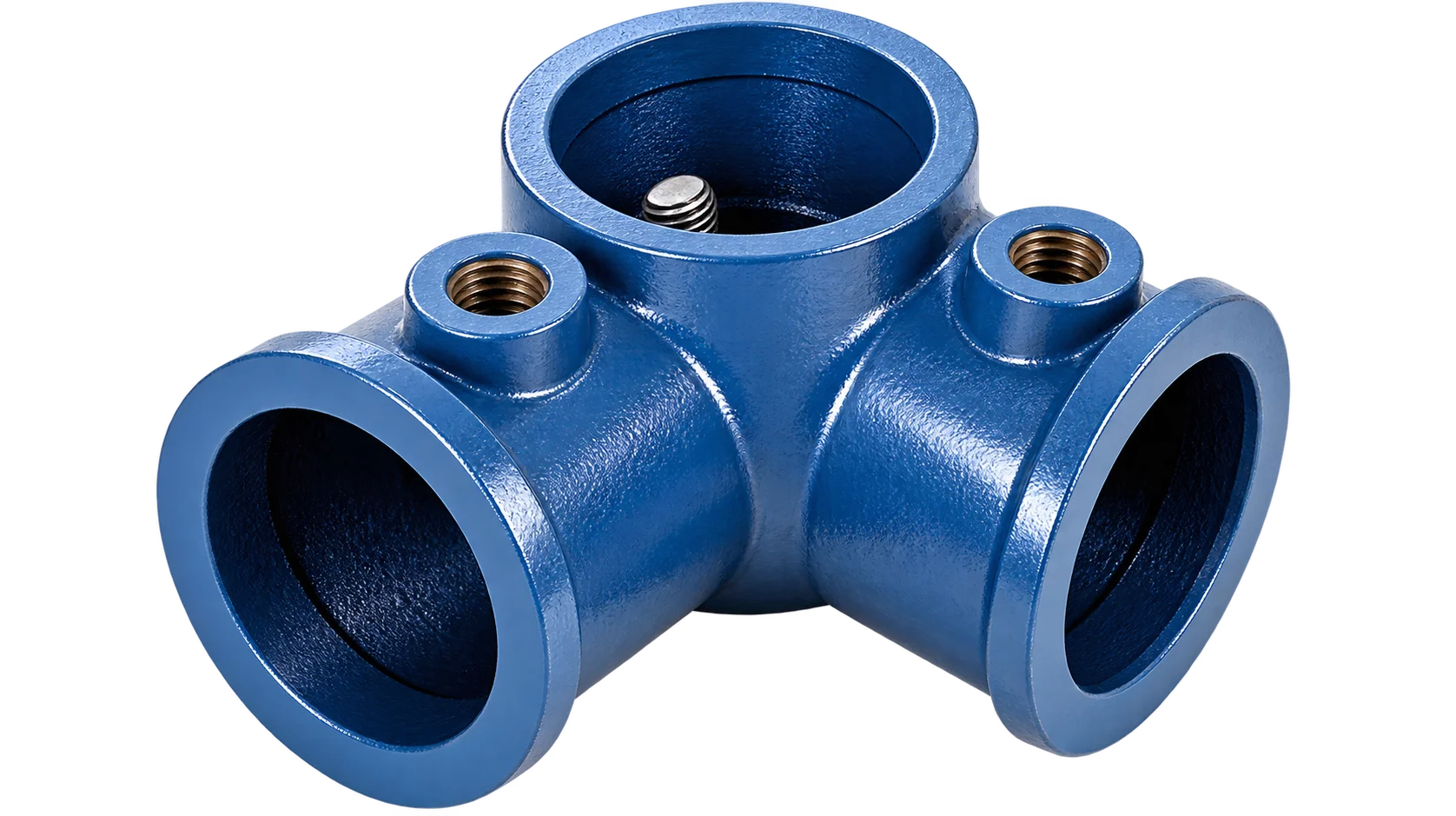
- Structure Fittings Double Bend
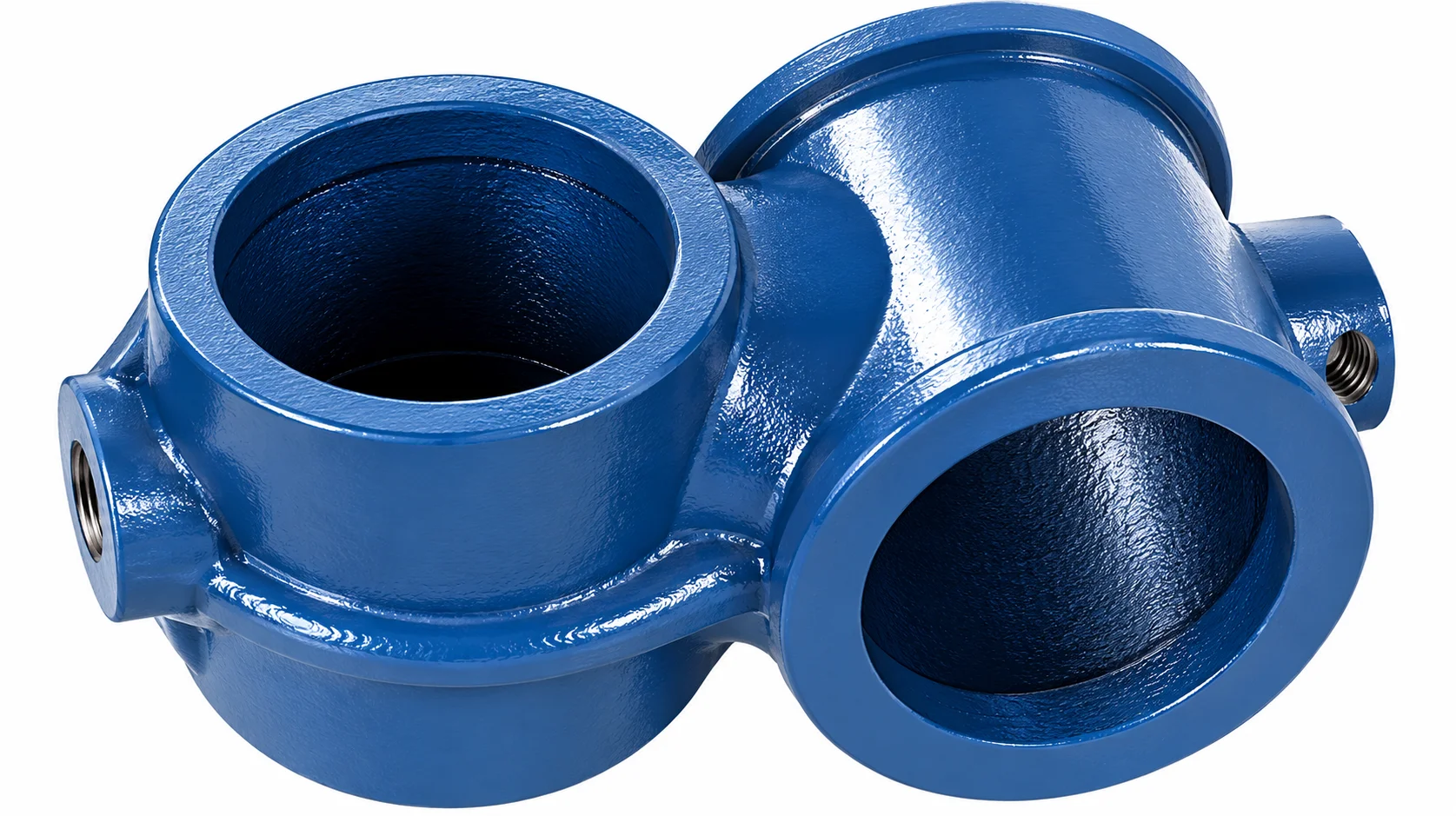
- Structure Fittings Double Tee
- Structure Fittings Equal Bracket
- Structure Fittings Unequal Bracket
- Structure Fittings Cross
- Structure Fittings Support
- Structure Fittings Plugs
- Structure Fittings Studs
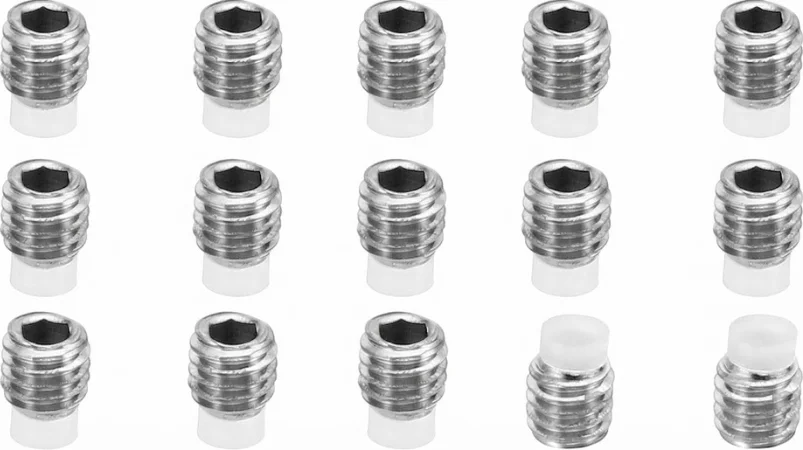
- Structure Fittings Grub Screw
- Laboratory Glassware
- Accessories & Consumables
- Services and special offerings
- Blogs
- Gallery
- Contact Us