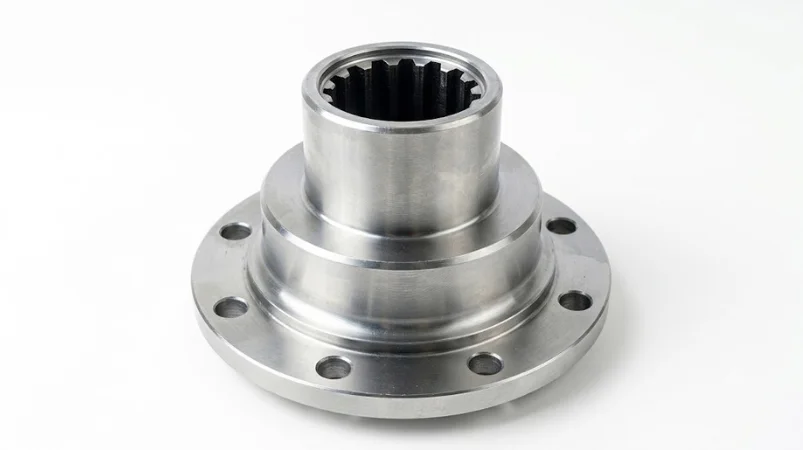
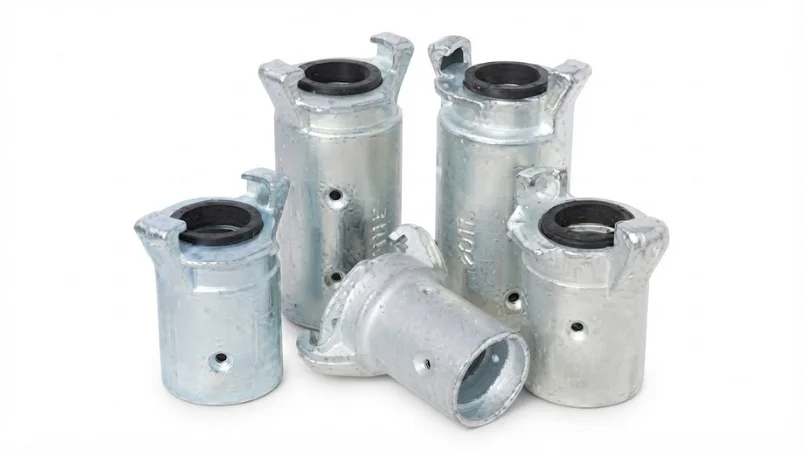
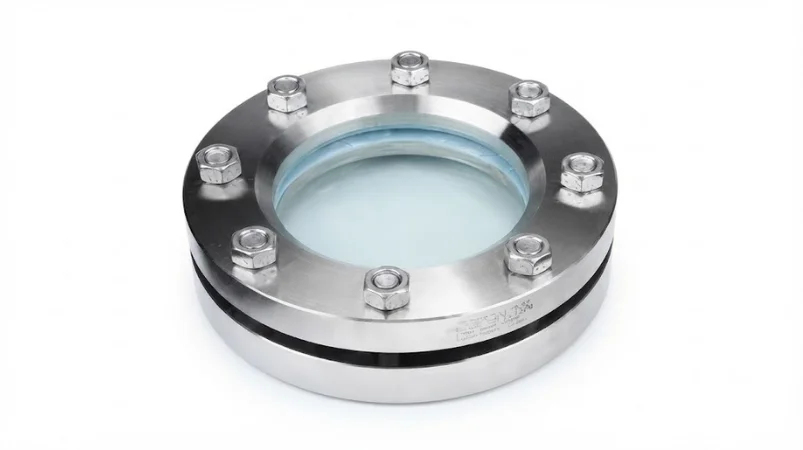
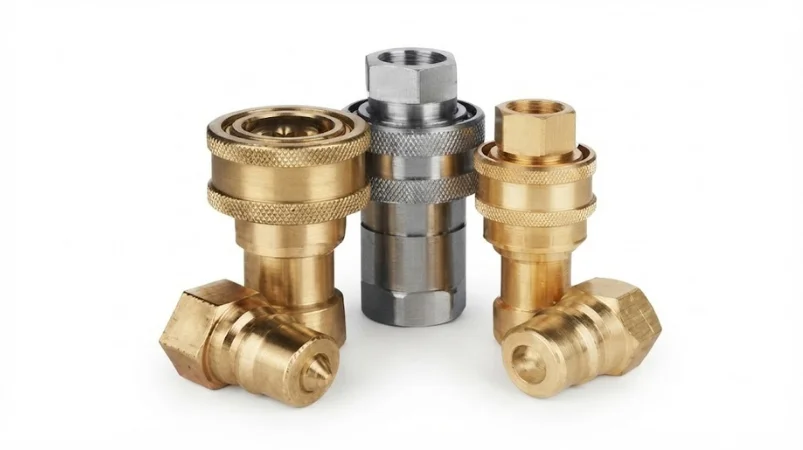
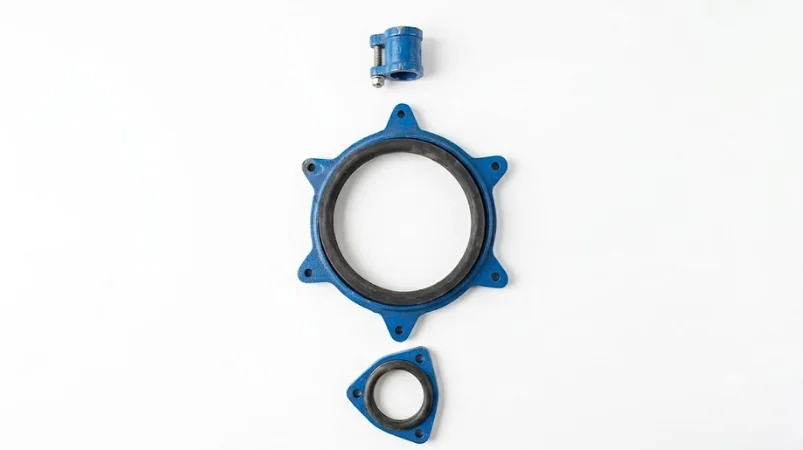
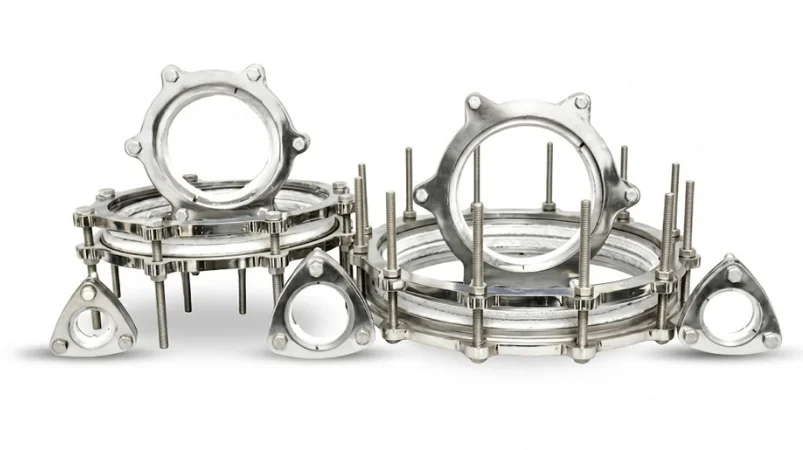
Couplings with Cast Iron Flanges are robust, heavy-duty coupling assemblies designed to connect pipelines, glass modules, and process equipment where mechanical strength and durability are critical.
The cast iron flange construction provides excellent load-bearing capacity, rigidity, and resistance to flange stress, ensuring safe operation under pressure, vacuum, or thermal expansion conditions. These couplings are commonly used in chemical, pharmaceutical, and pilot plant systems, as well as in industrial glass-to-metal connections.
What Are Cast Iron Flanged Couplings?
A Coupling with Cast Iron Flanges is composed of:
This configuration ensures structural reinforcement, precise alignment, and robust sealing, ideal for systems exposed to high mechanical loads or frequent operational stress.
How Couplings with Cast Iron Flanges Work (Step-by-Step)
Key Features & Benefits
Technical Specifications – Couplings with Cast Iron Flanges
|
Parameter |
Specification |
|
Material |
Cast Iron (Flanges & Backing Components) |
|
Insert / Gasket |
PTFE / Elastomer (Chemical Compatible) |
|
Connection Type |
Bolted Flange Assembly |
|
Size Range |
Standard flange sizes (custom available) |
|
Operating Pressure |
Industrial chemical process loads |
|
Vacuum Compatibility |
Yes |
|
Temperature Range |
Typical chemical glassware conditions |
|
Customization |
Flange drilling, bolt patterns, gasket material |
Applications of Couplings with Cast Iron Flanges
Industries We Serve
Why Choose Our Cast Iron Flanged Couplings?
Customization & Engineering Support
Frequently Asked Questions (FAQ)
1. Can these couplings handle high-pressure applications?
Yes, cast iron flanges provide excellent load-bearing capability.
2. Are they suitable for glass equipment?
Yes, engineered to support glass modules while providing mechanical reinforcement.
3. Can flange sizes be customized?
Absolutely, flange drilling and bolt patterns can be adapted.
4. What sealing options are available?
Typically PTFE or elastomer inserts, depending on chemical compatibility.
5. Are these couplings suitable for vacuum applications?
Yes, design ensures vacuum-tight sealing.