Blinds

Blinds

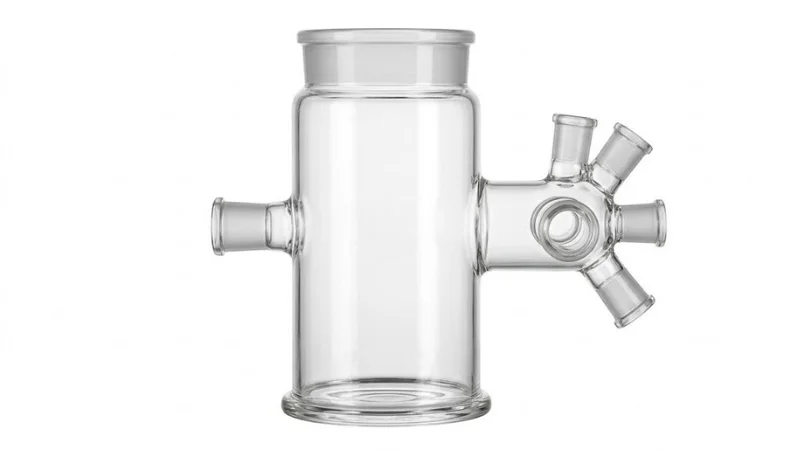
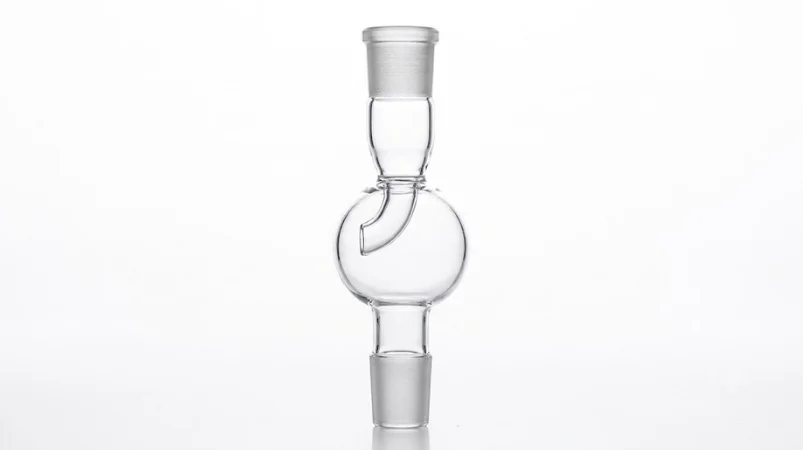
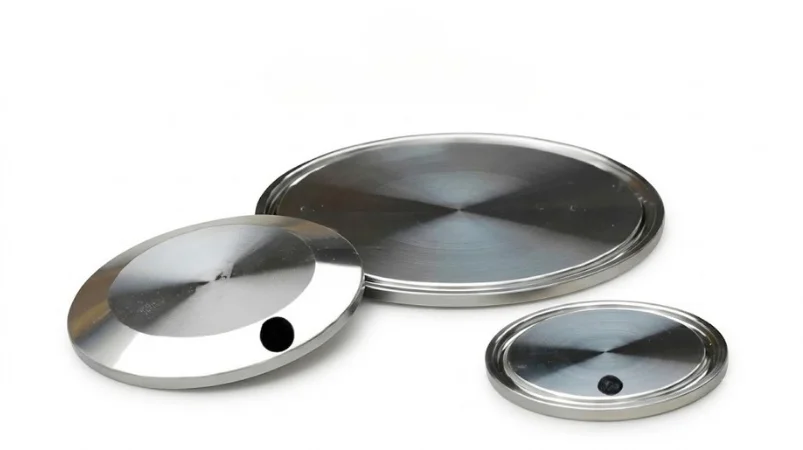
Blinds are solid, non-perforated pipeline fittings used to positively isolate and block flow in glass piping systems. Installed at the end of a pipeline, branch, or nozzle, blinds ensure absolute shut-off, making them critical components for maintenance safety, pressure testing, system commissioning, and process segregation.

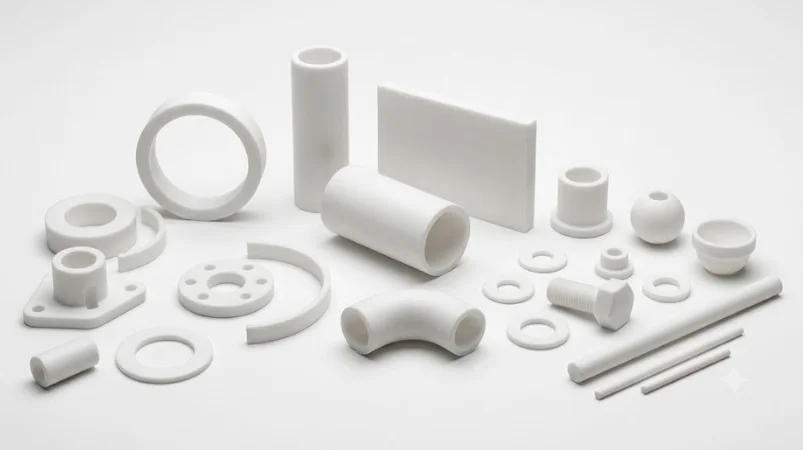
Available in borosilicate glass 3.3 and virgin PTFE, blinds are compatible with standard glass pipeline coupling systems and maintain full chemical inertness, vacuum compatibility, and thermal stability across demanding industrial applications.

Construction & Design

  • Solid-body construction with no flow passage
  • Precision-machined sealing faces for leak-tight joints
  • Designed to integrate with standard glass coupling systems
  • Available in transparent glass or impact-resistant PTFE
  • Stress-relieved geometry to minimize thermal or mechanical failure

Technical Specifications

 Parameter

 Specification

Product Type

Pipeline Blind

Material Options

Borosilicate Glass 3.3 / Virgin PTFE

Nominal Diameter (DN)

DN 15 → DN 800 (DN 1000 on request)

Connection Method

Glass pipeline coupling

Flow Path

None (solid isolation)

Operating Temperature

Glass: –50 °C to +200 °C


PTFE: –40 °C to +200 °C

Pressure Rating

Low positive pressure

Vacuum Rating

Suitable for full vacuum

Chemical Resistance

Excellent

Maintenance

Reusable, easy to clean

Typical Size Range (Indicative)

Code

DN

Material

Typical Thickness

PB0.5

12

Glass

20 mm

PB1

25

Glass

25 mm

PB2

50

Glass

30 mm

PB3

80

Glass

35 mm

PB4

100

PTFE / Glass

40 mm

Thickness varies with DN and pressure requirement.

Applications

  • Safe isolation during maintenance & cleaning
  • Pressure testing of pipeline sections
  • Temporary or permanent blocking of unused branches
  • Process segregation for multi-line systems
  • Shutdown safety in pilot & production plants

Key Features & Benefits

  • Absolute isolation – zero flow
  • Maintains system safety & integrity
  • Vacuum-tight sealing
  • Glass option allows visual cleanliness inspection
  • PTFE option offers impact resistance
  • Long service life with repeated use

Industries Served

  • Chemical & Specialty Chemicals
  • Pharmaceutical Manufacturing
  • Research & Pilot Plants
  • Distillation, Absorption & Scrubbing Systems
  • Corrosive, vacuum & thermal processes

Glass vs PTFE Blinds – Selection Guide

Feature

Glass Blind

PTFE Blind

Chemical resistance

Excellent

Excellent

Transparency

Yes

No

Impact resistance

Moderate

High

Thermal stability

High

High

Frequent handling

Limited

Ideal

Safety & Operating Advantages

  • Prevents accidental chemical release
  • Eliminates need for valves in dead-end lines
  • Reduces contamination risk
  • Enables safe equipment isolation

Customization Options

  • Custom DN sizes
  • Reinforced or thick-wall blinds
  • Hybrid PTFE-glass sealing designs
  • High-temperature compatible configurations

Frequently Asked Questions (FAQs)

Q1: Can blinds be used permanently?
Yes, blinds can be used for both temporary and permanent isolation.

Q2: Are blinds suitable for vacuum systems?
Yes, they are fully vacuum compatible when properly installed.

Q3: When should I choose PTFE over glass?
Choose PTFE for frequent removal, high mechanical stress, or aggressive handling environments.

Related Fittings

  • Closures
  • Spacers
  • Reducers
  • Tees & Crosses

Order Your Blinds
Contact Bhanu Scientific Glass Co. with DN size, material preference, and application details to receive a custom-engineered solution.

Related Products

Regular Spacers

View Details

Unequal Tees

View Details

Concentric Reducers

View Details

Y Pieces

View Details

Glass Closures

View Details

Unequal Crosses

View Details

Eccentric Reducers

View Details

Equal Tees

View Details

PTFE Spacers

View Details

Blinds

View Details

Bend Reducers

View Details

Equal Crosses

View Details