Asbestos Inserts

  • Home
  • Asbestos Inserts

Asbestos Inserts

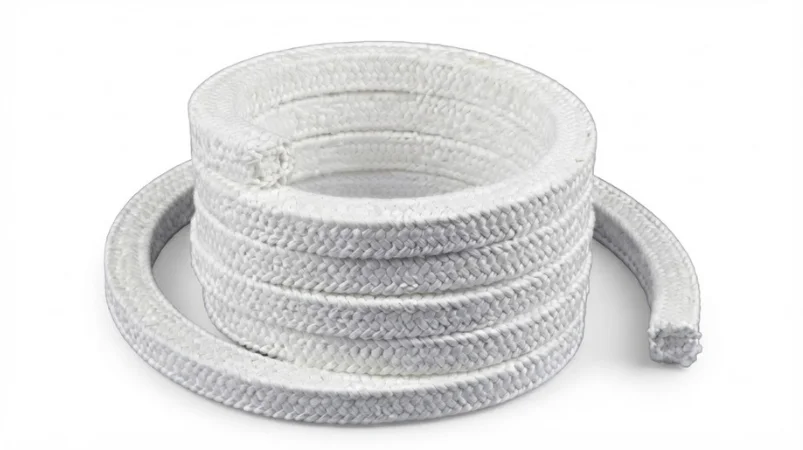
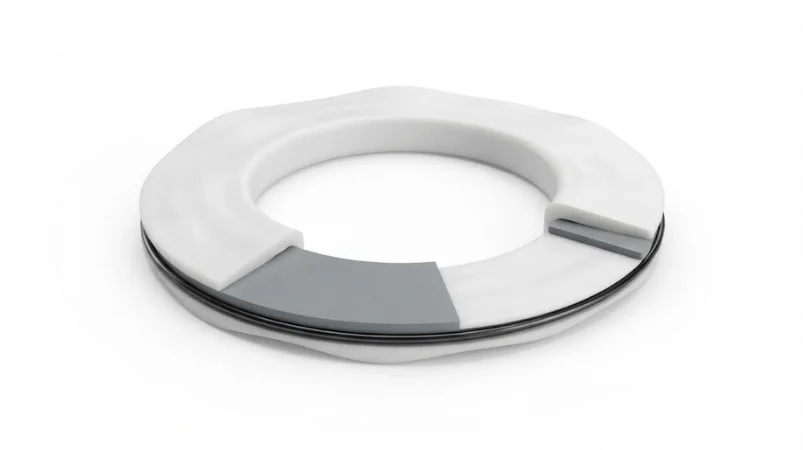
Our asbestos inserts are specialized sealing components engineered for extreme high-temperature and high-pressure industrial applications where conventional sealing materials fail. Manufactured from compressed asbestos fiber composite, these inserts deliver exceptional sealing performance in temperatures up to 550°C (1022°F) and pressures reaching 150 bar (2175 psi).

Primarily utilized as replacement components in legacy systems where asbestos materials were originally specified, our asbestos inserts maintain critical seal integrity in power generation facilities, industrial furnaces, boiler systems, and high-temperature process equipment. While we strongly recommend transitioning to modern non-asbestos alternatives for new installations, we continue to supply certified asbestos inserts for existing systems requiring exact replacement specifications.

Key Applications for Asbestos Inserts:

  • Legacy Boiler Systems – Maintaining seal integrity in existing installations
  • High-Temperature Furnaces – Sealing doors and access ports up to 550°C
  • Thermal Power Plants – Critical sealing in steam turbine and boiler components
  • Industrial Ovens – High-temperature door and expansion joint sealing
  • Exhaust Systems – Extreme temperature gasket applications

How Do Asbestos Inserts Work? Step-by-Step Process Explained

Understanding Asbestos Insert Sealing Mechanism:

Step 1: Material Assessment & Selection

Identify the existing asbestos insert specifications in your legacy system including dimensions, thickness, density, and original material composition. Our technical team matches replacement inserts to original equipment manufacturer (OEM) specifications ensuring proper fit and performance.

Step 2: Surface Preparation

Clean all mating surfaces thoroughly, removing residual gasket material, carbon deposits, and scale buildup. Ensure flange faces are flat, smooth, and free from corrosion or damage that could compromise seal integrity.

Step 3: Insert Installation & Positioning

Position the asbestos insert carefully between flange faces, aligning bolt holes precisely. The compressed asbestos fiber structure provides some conformability to minor surface irregularities while maintaining structural integrity.

Step 4: Controlled Compression Process

Apply bolt torque in a cross-pattern sequence following manufacturer specifications. The asbestos composite compresses uniformly, creating intimate contact with metal surfaces and filling microscopic voids to establish a leak-tight seal.

Step 5: Thermal Stabilization

During initial heat-up, the asbestos insert undergoes thermal stabilization, with fiber binders curing and the material conforming to operating conditions. Minor bolt re-torquing may be required after the first thermal cycle.

Step 6: High-Temperature Performance

Once stabilized, the asbestos insert maintains consistent sealing performance through extreme temperature fluctuations, pressure variations, and thousands of thermal cycles. The asbestos fiber structure resists thermal degradation and maintains mechanical strength at elevated temperatures.

Key Features & Benefits of Asbestos Inserts

Extreme Temperature Capability:

  • Continuous Service Temperature – Reliable operation up to 550°C (1022°F)
  • Peak Temperature Resistance – Short-term exposure to 600°C+ possible
  • Thermal Cycling Endurance – Withstands repeated heating and cooling cycles
  • No Thermal Degradation – Maintains structural integrity at high temperatures
  • Steam Resistance – Performs in high-pressure steam environments

High-Pressure Sealing Performance:

  • Pressure Rating – Effective sealing up to 150 bar (2175 psi)
  • Compression Resistance – Maintains seal under extreme bolt loads
  • Blow-Out Prevention – High mechanical strength prevents gasket failure
  • Pressure Cycling Capability – Withstands fluctuating pressure conditions
  • Structural Integrity – Won\'t crush or extrude under high compression

Mechanical Durability:

  • Long Service Life – Extended operational periods in harsh environments
  • Vibration Resistance – Maintains seal integrity under mechanical vibration
  • Thermal Shock Resistance – Handles rapid temperature changes
  • Chemical Stability – Resistant to many industrial chemicals at elevated temperatures
  • Oxidation Resistance – Stable in oxidizing atmospheres

Legacy System Compatibility:

  • OEM Specifications – Manufactured to match original equipment requirements
  • Exact Dimensional Matching – Precise fit for existing flange configurations
  • Drop-In Replacement – No system modifications required
  • Proven Performance History – Decades of reliable service in industrial applications
  • Cost-Effective Maintenance – Extends life of existing equipment

Installation Advantages:

  • Rigid Structure – Easy handling and positioning during installation
  • Bolt Hole Alignment – Maintains position during bolt-up procedures
  • Controlled Compression – Predictable sealing behavior under torque
  • No Special Tooling – Installs with standard maintenance equipment
  • Reduced Installation Time – Quick replacement during maintenance shutdowns

Technical Specifications: Asbestos Inserts

Table: Asbestos Insert Technical Data

Parameter

Specification Details

Material Composition

Compressed asbestos fiber composite with binders

Asbestos Content

70% - 95% (varies by grade)

Material Standard

ASTM F2191 (legacy applications)

Continuous Temperature

Up to 550°C (1022°F)

Peak Temperature

600°C (1112°F) short-term exposure

Pressure Rating

Up to 150 bar (2175 psi)

Density

1.8 - 2.2 g/cm³

Tensile Strength

15 - 30 MPa

Compressibility

5% - 15% (ASTM F36)

Recovery

30% - 50% (ASTM F36)

Thickness Available

1mm, 1.5mm, 2mm, 3mm, 4mm, 5mm, 6mm, 8mm, 10mm

Custom Thickness

0.8mm to 12mm (on request)

Sheet Sizes

1000mm x 1000mm, 1500mm x 1500mm (standard)

Color

Grey, Dark Grey, Charcoal

Surface Finish

Smooth or textured

Chemical Resistance

Good resistance to oils, fuels, mild acids/alkalis

Steam Resistance

Excellent (primary application)

Max Bolt Load

High compression resistance

Application Type

Legacy systems, replacement components

Compliance

Manufactured per regional safety regulations

Safety Requirements

Requires proper handling and disposal procedures

Important Safety Information & Regulatory Compliance

Asbestos Material Handling Guidelines:

Health & Safety Considerations:

  • Respiratory Protection – Always use appropriate respiratory protection when cutting or handling
  • Wet Methods – Use water to suppress fiber release during cutting and installation
  • Proper Ventilation – Work in well-ventilated areas or use local exhaust ventilation
  • Protective Equipment – Wear gloves, safety glasses, and protective clothing
  • Minimize Dust – Avoid dry cutting, grinding, or abrading asbestos materials
  • Waste Disposal – Follow local regulations for asbestos waste disposal

Regulatory Compliance:

  • Manufactured and supplied in compliance with regional asbestos regulations
  • Complete Material Safety Data Sheets (MSDS) provided with every order
  • Installation and handling guidelines included
  • Approved for use as replacement components in existing systems
  • Not recommended for new installations (non-asbestos alternatives available)

Our Commitment:

We prioritize safety and environmental responsibility. While we continue to supply asbestos inserts for critical legacy system maintenance, we actively encourage transitioning to modern non-asbestos alternatives such as:

  • Compressed Non-Asbestos Fiber (CNAF) gaskets
  • PTFE-based high-temperature seals
  • Flexible graphite inserts
  • Ceramic fiber sealing materials

Our technical team can recommend suitable alternatives for your specific application.

Industries Served with Asbestos Inserts

Our asbestos inserts support critical operations in industries requiring high-temperature sealing:

  • Thermal Power Generation – Coal-fired and gas-fired power plant boiler systems
  • Steel Manufacturing – Blast furnace and coke oven sealing applications
  • Cement Production – Rotary kiln and calciner high-temperature seals
  • Petrochemical Refineries – Furnace and heater flange sealing
  • Industrial Boiler Systems – Legacy steam boiler maintenance and repair
  • Glass Manufacturing – Furnace door and observation port sealing
  • Ceramic Production – Kiln and dryer high-temperature applications
  • Metal Foundries – Furnace and melting equipment sealing
  • Chemical Processing – High-temperature reactor and vessel sealing
  • Waste Incineration – Incinerator door and expansion joint sealing
  • Mining Operations – Smelting equipment and ore processing furnaces
  • Marine Engineering – Ship engine room and boiler applications

Why Choose Our Asbestos Inserts? Quality & Compliance

Certified Material Sourcing

We source asbestos fiber from certified suppliers with complete material traceability and quality documentation, ensuring consistent composition and performance characteristics.

Precision Manufacturing Standards

Our asbestos inserts are manufactured using controlled compression molding processes that ensure uniform density, consistent thickness, and predictable sealing behavior across the entire product range.

Dimensional Accuracy

State-of-the-art cutting equipment produces asbestos inserts with tight dimensional tolerances, ensuring proper fit in existing flange configurations and eliminating installation complications.

Quality Assurance Testing

Every production batch undergoes comprehensive testing:

  • Dimensional verification and thickness measurement
  • Density and compressibility testing
  • Tensile strength and mechanical property analysis
  • Temperature resistance validation
  • Pressure testing simulation
  • Material composition verification

Complete Documentation

Each shipment includes:

  • Material Safety Data Sheets (MSDS)
  • Material Test Reports (MTR)
  • Handling and installation guidelines
  • Safety compliance certificates
  • Batch traceability documentation

Custom Fabrication Services

We offer complete custom fabrication including:

  • Custom dimensions and shapes
  • Precision bolt hole drilling
  • Complex contour cutting
  • Ring and gasket fabrication
  • Special thickness requirements

Technical Support & Consultation

Our experienced engineers provide:

  • Replacement specification matching
  • Alternative material recommendations
  • Installation procedure guidance
  • Torque specification calculations
  • Transition planning to non-asbestos solutions

Safety-First Approach

We maintain strict safety protocols throughout manufacturing, packaging, and shipping to minimize fiber exposure and ensure compliant handling procedures.

Applications of Asbestos Inserts

Boiler & Steam System Applications:

  • Steam turbine flange joints
  • Boiler manway covers and inspection ports
  • Superheater header connections
  • Steam drum flange sealing
  • Feed water heater flanges
  • Economizer connections

Furnace & Kiln Applications:

  • Industrial furnace door seals
  • Kiln expansion joint sealing
  • Combustion chamber access ports
  • Observation window gaskets
  • Burner mounting flanges
  • Flue gas ductwork connections

High-Temperature Process Equipment:

  • Heat exchanger flanges
  • Thermal oxidizer connections
  • Catalytic converter flanges
  • Reactor vessel covers
  • Distillation column flanges
  • Thermal processing equipment

Exhaust & Emissions Systems:

  • Engine exhaust manifold gaskets
  • Exhaust stack flange connections
  • Emission control equipment sealing
  • Silencer and muffler flanges
  • Hot gas ductwork joints

Industrial Oven & Dryer Applications:

  • Oven door perimeter seals
  • Industrial dryer access covers
  • Thermal treatment chamber seals
  • Curing oven flange connections
  • Bakery oven door gaskets

Custom Fabrication Services Available

Tailored to Your Exact Specifications:

  • Custom dimensions and shapes
  • Specific thickness requirements (0.8mm to 12mm)
  • Precision bolt hole patterns
  • Complex contour cutting
  • Ring gaskets and formed shapes
  • OEM specification matching

Worldwide Shipping with Safety Compliance!

Compliant Delivery Options:

  • Domestic shipping: 3-7 business days
  • International shipping: 10-15 business days (subject to regulations)
  • Proper hazmat labeling and documentation
  • Safety-sealed packaging to minimize fiber exposure
  • Complete shipping documentation and certificates
  • Regional regulatory compliance maintained

Get Expert Technical Support & Consultation!

Our Specialists Are Ready to Assist:

  • Legacy system assessment and specification matching
  • Alternative material recommendations for system upgrades
  • Installation procedure guidance and torque specifications
  • Safety handling and disposal consultation
  • Custom fabrication design assistance
  • Transition planning to non-asbestos solutions

Frequently Asked Questions (FAQ) About Asbestos Inserts

1: Are asbestos inserts still legal to use?

Asbestos inserts remain legal for use as replacement components in existing systems where they were originally specified. Many countries permit asbestos use in industrial applications under controlled conditions with proper safety protocols. However, regulations vary by region, and new installations typically require non-asbestos alternatives. We provide complete compliance documentation and can advise on regional regulations applicable to your location.

2: Why would I choose asbestos inserts over modern alternatives?

Asbestos inserts are chosen primarily for legacy system compatibility where OEM specifications require exact material replacement. In extreme temperature applications (500°C+) with high-pressure steam, asbestos has proven reliability over decades. However, for new installations or system upgrades, we strongly recommend modern alternatives like compressed non-asbestos fiber (CNAF), flexible graphite, or ceramic fiber materials that offer similar performance without health concerns.

3: What safety precautions are needed when installing asbestos inserts?

Proper safety procedures include:

  • Use appropriate respiratory protection (P100 or HEPA filters)
  • Work in well-ventilated areas or use local exhaust ventilation
  • Employ wet methods when cutting (never dry cut)
  • Wear protective clothing, gloves, and safety glasses
  • Minimize dust generation through careful handling
  • Follow proper disposal procedures for waste materials
  • Comply with regional occupational safety regulations

Complete safety guidelines provided with every order.

4: Can asbestos inserts be cut to custom sizes?

Yes! We offer complete custom fabrication services for asbestos inserts including precision cutting to any dimension, bolt hole drilling, complex shapes, and ring gasket fabrication. Custom cutting is performed in controlled environments following strict safety protocols. Provide your specifications or drawings, and we\'ll deliver precision-cut components ready for installation.

5: What is the maximum temperature rating for asbestos inserts?

Our asbestos inserts are rated for continuous operation up to 550°C (1022°F) with short-term exposure capability to 600°C+. This exceptional temperature resistance makes them suitable for high-pressure steam systems, industrial furnaces, and thermal processing equipment where other sealing materials would fail.

6: How long do asbestos inserts typically last in service?

Service life varies significantly based on operating conditions but typically ranges from 3-7 years in continuous high-temperature service. Factors affecting lifespan include:

  • Operating temperature and thermal cycling frequency
  • Pressure levels and fluctuations
  • Chemical exposure and steam quality
  • Installation quality and bolt torque
  • Mechanical vibration levels

Proper installation and maintenance can extend service life considerably.

7: What are the best alternatives to asbestos inserts for new installations?

We recommend these non-asbestos alternatives for new systems:

  • Compressed Non-Asbestos Fiber (CNAF) – Similar performance, safer handling
  • Flexible Graphite Sheets – Excellent for high-temperature, high-pressure applications
  • PTFE Composite Materials – Superior chemical resistance
  • Ceramic Fiber Gaskets – Ultra-high temperature capability
  • Expanded PTFE with fillers – Combines chemical and temperature resistance

Our technical team can recommend the optimal alternative based on your specific application requirements.

8: Do asbestos inserts resist chemicals and oils?

Asbestos inserts provide good resistance to oils, fuels, mild acids, mild alkalis, and many industrial chemicals, particularly at elevated temperatures. However, they are not recommended for strong acids or alkalis. For aggressive chemical environments, PTFE-based or graphite materials offer superior chemical resistance.

9: Can asbestos inserts be reused after removal?

No. Asbestos inserts should never be reused after removal. Once compressed and exposed to operating conditions, they lose their original properties and sealing capability. Additionally, removal typically damages the material integrity. Always install new inserts during maintenance procedures and dispose of used materials according to local regulations.

10: How should used asbestos inserts be disposed of?

Proper disposal procedures:

  • Wet the material thoroughly to prevent fiber release
  • Place in sealed, labeled plastic bags (double-bagging recommended)
  • Follow local hazardous waste regulations
  • Use approved asbestos disposal facilities
  • Maintain disposal documentation and certificates
  • Never dispose of in regular trash or landfills

Contact local environmental authorities for specific disposal requirements in your region.

11: Are there different grades of asbestos inserts available?

Yes! Asbestos inserts are available in various grades based on:

  • Asbestos content (70% to 95%)
  • Binder type (rubber, resin, or inorganic)
  • Density (1.8 to 2.2 g/cm³)
  • Temperature rating (up to 550°C continuous)
  • Pressure capability (varies by application)

We help select the appropriate grade matching your original equipment specifications and operating conditions.

12: Can you match OEM specifications for replacement inserts?

Absolutely! We specialize in OEM specification matching for legacy equipment from major boiler manufacturers, furnace suppliers, and industrial equipment producers. Provide your equipment model number, original part number, or technical specifications, and we\'ll manufacture exact replacement inserts maintaining dimensional accuracy and material properties.

13: Do you provide Material Safety Data Sheets (MSDS)?

Yes! Complete documentation is provided with every order including:

  • Material Safety Data Sheets (MSDS/SDS)
  • Material Test Reports (MTR)
  • Composition and content analysis
  • Handling and safety guidelines
  • Installation recommendations
  • Disposal procedures
  • Regulatory compliance certificates

14: What is the minimum order quantity for asbestos inserts?

We accommodate orders of all sizes – from single pieces for emergency repairs to large quantities for planned maintenance shutdowns. Standard sheet stock, pre-cut sizes, and custom fabricated components available. No minimum order requirements for standard products.

15: Can you provide technical assistance for transitioning away from asbestos?

Yes! Our technical team specializes in system assessment and transition planning from asbestos to modern non-asbestos sealing materials. We provide:

  • Comprehensive application analysis
  • Alternative material recommendations
  • Performance equivalency verification
  • Cost-benefit analysis
  • Implementation planning
  • Trial program support
  • Long-term transition roadmap

Contact us to discuss your asbestos replacement strategy.

Quality Certifications for Asbestos Inserts

Manufacturing Standards & Compliance:

  • ISO 9001:2015 certified manufacturing facility
  • ASTM F2191 material standard compliance
  • Material composition verification and testing
  • Dimensional accuracy quality control
  • Batch traceability and documentation
  • Safety compliance with regional regulations
  • Complete MSDS and safety documentation
  • Proper handling and packaging protocols

Technical Resources for Asbestos Inserts

Comprehensive Support Documentation:

  • Asbestos insert selection guide
  • Temperature and pressure rating charts
  • Installation torque specifications
  • Safety handling procedures
  • Proper disposal guidelines
  • Non-asbestos alternative comparison
  • Material compatibility reference
  • OEM specification cross-reference

Engineering Support Services:

  • Legacy system assessment
  • Specification matching for replacements
  • Alternative material recommendations
  • Custom fabrication design assistance
  • Installation consultation
  • Transition planning support
  • Safety compliance guidance

Related Products

PTFE Rope Inserts

View Details

Rubber Inserts

View Details

Glass to Other Materials PTFE Vacuum Bellows

View Details

Glass to Metals PTFE Bellows

View Details

Glass to Glass PTFE Bellows

View Details

Asbestos Inserts

View Details

PTFE O-Ring with Locking Collar

View Details

Compression Springs

View Details

PTFE Envelope Gaskets

View Details

Glass to Glass PTFE Vacuum Bellows

View Details