Stirring Assembly with Mechanical Seal

  • Home
  • Stirring Assembly with Mechanical Seal

Stirring Assembly with Mechanical Seal

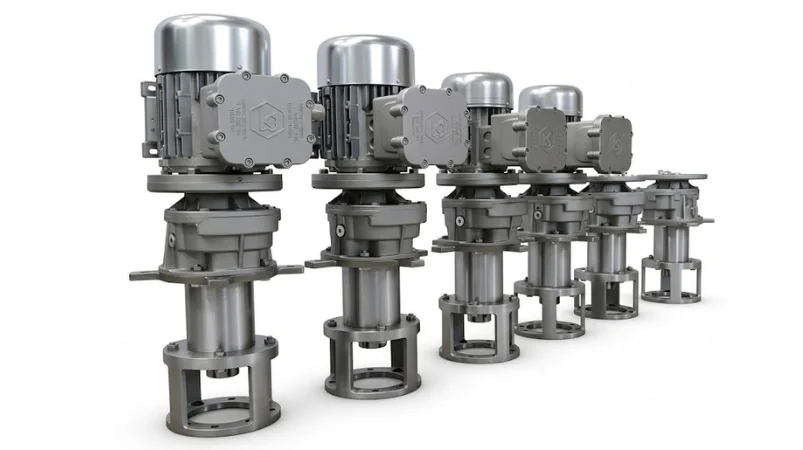
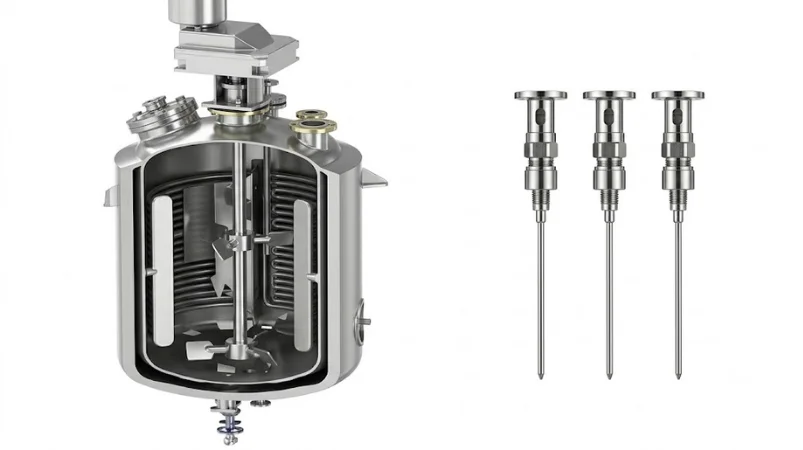
The Stirring Assembly with Mechanical Seal is a high-integrity agitation system designed for glass reactors where leak-proof sealing, pressure resistance, and continuous operation are critical. It is widely used in chemical, pharmaceutical, and pilot plant applications requiring reliable dynamic sealing.

This assembly incorporates a precision mechanical seal mounted between the rotating shaft and stationary reactor connection. Unlike flexible seals, the mechanical seal provides controlled face contact, ensuring vapour-tight and liquid-tight performance during stirring.

It is suitable for high-speed agitation, vacuum operations, and positive pressure reactions, maintaining process safety and purity.

Construction Details

  • Drive shaft manufactured from SS 304 / SS 316
  • Mechanical seal faces made from carbon / ceramic / PTFE
  • Spring-loaded sealing mechanism to maintain constant face pressure
  • Glass reactor interface via flange or adapter
  • Compatible with PTFE-lined or metal stirrer blades

Key Features

  • Dynamic mechanical sealing system
  • Suitable for pressure and high-vacuum conditions
  • Enables continuous and high-RPM stirring
  • Prevents leakage, contamination, and air ingress
  • Robust construction for long-term use
  • Low operational wear

Technical Specifications

  • Seal Type: Mechanical seal
  • Operating Mode: Continuous / batch
  • Pressure Handling: Suitable for pressurised reactors
  • Vacuum Capability: Deep vacuum compatible
  • Shaft Diameter: As per reactor size
  • Temperature Range: Based on seal material selection
  • Mounting Type: Reactor top flange / adapter

Compatible Stirrer Types

  • Propeller stirrers
  • Anchor stirrers
  • Turbine stirrers
  • PTFE blade stirrers
  • Custom-designed agitators

Applications

  • Glass-lined and borosilicate reactors
  • Chemical synthesis
  • Pharmaceutical reactions
  • Solvent recovery processes
  • Vacuum distillation and crystallization
  • Hazardous and volatile media handling

Installation Guidelines

  • Ensure proper shaft alignment before tightening
  • Use recommended torque for seal housing bolts
  • Verify smooth shaft rotation before operation
  • Avoid dry running of mechanical seal
  • Confirm compatibility of seal materials with process media

Maintenance & Service

  • Periodic inspection of seal faces
  • Replace seal components if leakage or vibration is observed
  • Keep seal area clean and free from solids
  • Follow preventive maintenance schedules for extended life

Advantages Over Bellow Seal Assemblies

  • Handles higher pressure differentials
  • Better suited for continuous duty
  • Improved leak prevention
  • Longer service life
  • Stable performance at higher RPM

Selection Recommendations

Select Stirring Assembly with Mechanical Seal when:

  • Operating under pressure or deep vacuum
  • Leak-tight operation is mandatory
  • Using volatile, toxic, or high-value chemicals
  • Continuous agitation is required

FAQs

Q1. Can this assembly operate under pressure?
Yes, it is designed for pressurised glass reactor systems.

Q2. Is it suitable for vacuum applications?
Yes, it performs reliably under deep vacuum conditions.

Q3. Which materials are available for seal faces?
Common options include carbon, ceramic, and PTFE, selected based on media compatibility.

Q4. Can it be customized for reactor size?
Yes, custom shaft lengths and seal sizes are available.

Related Products

Stirring Assembly with Mechanical Seal

View Details

Drive Unit with Bellow Seal

View Details

Drive Assembly with Mechanical Seal

View Details

Stirring Assembly SS PTFE Lined

View Details