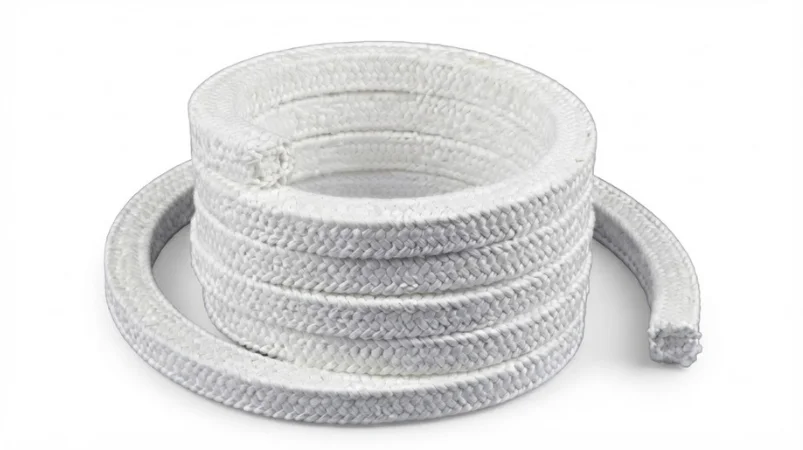
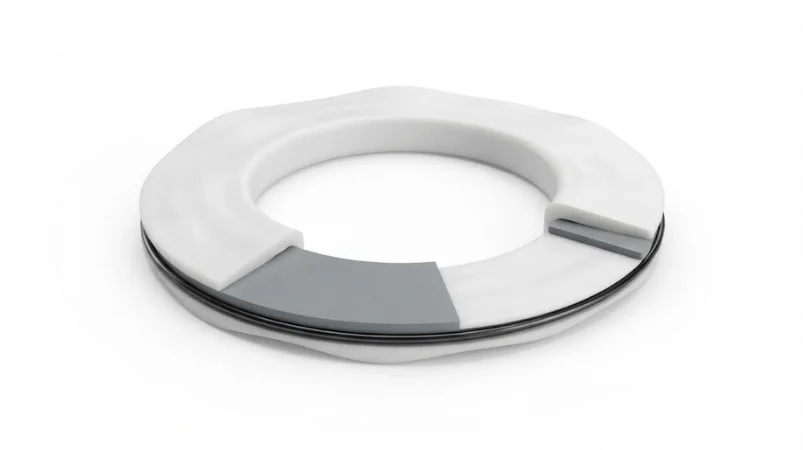
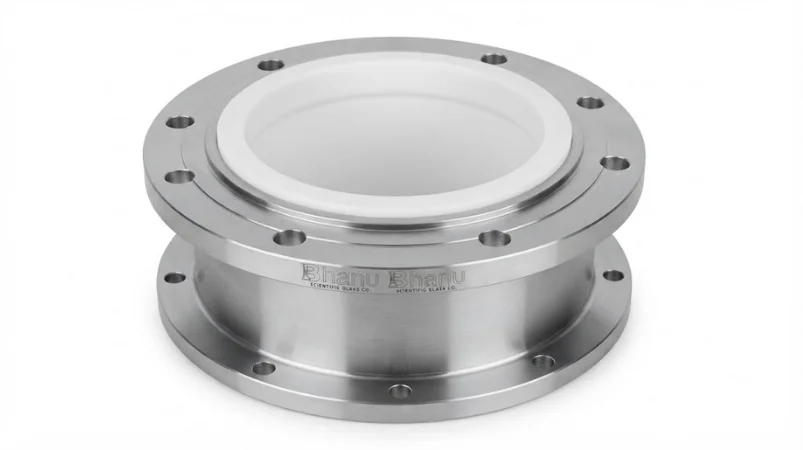
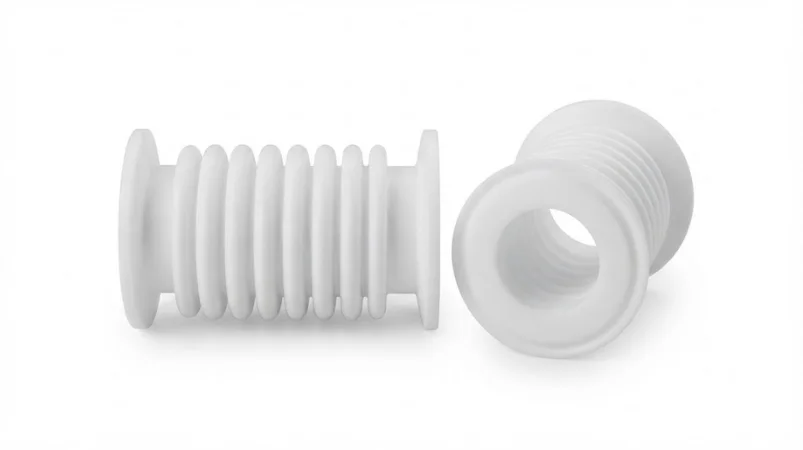
Our PTFE rope inserts represent the pinnacle of industrial sealing technology, engineered from 100% virgin grade Polytetrafluoroethylene (PTFE) for unmatched chemical resistance and thermal stability. Designed for the most demanding applications in chemical processing, pharmaceutical manufacturing, and food production, these PTFE sealing ropes deliver exceptional performance across extreme temperature ranges from -200°C to +260°C.
Whether you\'re sealing aggressive chemicals, high-temperature fluids, or sterile pharmaceutical processes, our PTFE rope inserts provide leak-proof, contamination-free sealing that meets the strictest industry standards including FDA 21 CFR 177.1550 compliance.
Why Choose PTFE Rope Inserts?
How Do PTFE Rope Inserts Work? Step-by-Step Process Explained
Understanding PTFE Rope Insert Sealing Technology:
Step 1: Material Selection & Preparation
Select the appropriate PTFE rope insert diameter based on your flange groove dimensions, gland depth, and sealing requirements. Our technical team helps determine the optimal size for your specific application, considering operating pressure, temperature, and chemical exposure.
Step 2: Rope Insert Positioning
Position the PTFE rope carefully into the flange groove, valve bonnet gland, or stuffing box. The flexible rope conforms to circular, rectangular, or irregular groove shapes, ensuring complete coverage without gaps or overlaps at the joint.
Step 3: Controlled Compression
Apply specified bolt torque to compress the PTFE rope insert within the gland or groove. The PTFE material deforms under compression, filling microscopic surface irregularities and creating an intimate contact seal between mating surfaces.
Step 4: Cold Flow & Seal Formation
PTFE\'s unique cold flow property allows the material to continue conforming to surface variations under sustained compression. This creates a continuous, leak-tight barrier that adapts to thermal expansion, pressure fluctuations, and minor surface imperfections.
Step 5: Long-Term Performance
The compressed PTFE rope insert maintains its sealing integrity through thousands of thermal cycles and pressure variations. Its chemical inertness prevents degradation from aggressive media, while its low friction coefficient minimizes wear during valve stem movement or flange maintenance.
Key Features & Benefits of PTFE Rope Inserts
Superior Chemical Resistance:
Exceptional Temperature Performance:
Self-Lubricating Properties:
FDA Compliance & Purity:
Installation & Maintenance Advantages:
Long Service Life:
Technical Specifications: PTFE Rope Inserts
Table: PTFE Rope Insert Technical Data
|
Parameter |
Specification Details |
|
Material Grade |
100% Virgin PTFE (Polytetrafluoroethylene) |
|
Material Standard |
ASTM D4894, ASTM D4895 |
|
Temperature Range |
-200°C to +260°C (-328°F to +500°F) |
|
Continuous Service Temp |
+260°C (500°F) |
|
Short-Term Max Temp |
+290°C (554°F) |
|
Pressure Rating |
Up to 200 bar (2900 psi) |
|
Density |
2.1 - 2.3 g/cm³ |
|
Tensile Strength |
20 - 35 MPa (ASTM D4894) |
|
Elongation at Break |
250% - 400% |
|
Chemical Resistance |
Resistant to all chemicals except molten alkali metals and fluorine gas |
|
pH Compatibility |
0 - 14 (full range) |
|
Dielectric Strength |
20 kV/mm |
|
Friction Coefficient |
0.05 - 0.10 (lowest of solid materials) |
|
Available Diameters |
3mm, 5mm, 6mm, 8mm, 10mm, 12mm, 15mm, 20mm, 25mm, 30mm, 40mm, 50mm |
|
Custom Sizes |
Available from 3mm to 50mm diameter |
|
Standard Lengths |
5 meters, 10 meters, 25 meters (custom lengths available) |
|
Color |
White / Natural |
|
Construction |
Braided or twisted virgin PTFE fibers |
|
Surface Finish |
Smooth, non-stick surface |
|
Compression Set |
Low (excellent recovery properties) |
|
FDA Compliance |
FDA 21 CFR 177.1550 approved |
|
USP Classification |
USP Class VI (biocompatible) |
|
Food Grade |
Yes (specific grades) |
|
Pharmaceutical Grade |
Yes (traceable virgin PTFE) |
|
RoHS Compliance |
Yes |
|
REACH Compliance |
Yes |
Industries Served with PTFE Rope Inserts
Why Choose Our PTFE Rope Inserts? Competitive Advantages
Certified Virgin PTFE Material
We exclusively use 100% virgin grade PTFE sourced from certified suppliers, ensuring consistent quality, purity, and performance. Never recycled or reprocessed material that could compromise sealing integrity.
Precision Manufacturing Process
Our PTFE rope inserts are manufactured using advanced braiding or twisting techniques that create uniform density and flexibility throughout the rope structure, ensuring reliable sealing performance.
Multiple Construction Options
Available in braided PTFE rope for maximum flexibility and twisted PTFE rope for higher density applications. We help you select the optimal construction for your specific sealing requirements.
Quality Testing & Certification
Every production batch undergoes rigorous testing including:
Custom Cutting & Packaging
Available in standard 5m, 10m, or 25m coils, or custom-cut to your exact requirements. Packaged to prevent contamination and maintain material purity.
Technical Documentation
Complete material certifications, test reports, FDA compliance letters, and installation guidelines provided with every order.
Application Engineering Support
Our technical team provides expert guidance on:
Competitive Pricing
Direct manufacturer pricing ensures cost-effective solutions without compromising on quality or performance standards.
Applications of PTFE Rope Inserts
Flange Sealing Applications:
Valve Packing Applications:
Pump Applications:
Expansion Joint Sealing:
Specialized Applications:
Frequently Asked Questions (FAQ) About PTFE Rope Inserts
1: What is the difference between braided and twisted PTFE rope?
Braided PTFE rope features interwoven PTFE fibers creating a more flexible, conformable rope ideal for irregular grooves and valve packing applications. Twisted PTFE rope has higher density and provides stronger compression resistance, making it suitable for high-pressure flange sealing. Braided is generally more flexible, while twisted offers better structural integrity under extreme compression.
2: Can PTFE rope inserts be used with steam?
Yes! PTFE rope inserts perform excellently in steam service up to 250°C (482°F) and pressures up to 200 bar. PTFE\'s chemical inertness and temperature stability make it ideal for saturated steam, superheated steam, and steam condensate applications in power generation and industrial processes.
3: How do I determine the correct rope diameter for my application?
The correct PTFE rope diameter depends on your groove or gland dimensions. Generally, select a rope diameter that fills 75-85% of the groove depth after compression. For valve packing, the rope should be slightly larger than the gland depth to ensure proper compression. Our technical team can provide specific sizing recommendations based on your flange drawings or dimensions.
4: Is virgin PTFE better than recycled PTFE for rope inserts?
Absolutely! Virgin PTFE offers superior purity, consistent performance, and reliable chemical resistance. Recycled PTFE may contain contaminants, have variable properties, and compromise sealing integrity. All our PTFE rope inserts use 100% virgin PTFE with full material traceability and certification, especially critical for FDA-compliant food and pharmaceutical applications.
5: Can PTFE rope inserts seal gasoline, diesel, and other fuels?
Yes! PTFE rope inserts provide excellent sealing for all petroleum products including gasoline, diesel fuel, jet fuel, crude oil, and refined petroleum products. PTFE\'s chemical resistance extends to hydrocarbons, aromatic compounds, and fuel additives without degradation or swelling.
6: How long do PTFE rope inserts typically last?
PTFE rope insert service life varies by application but typically ranges from 2-5 years in continuous service. Factors affecting lifespan include operating temperature, pressure cycling frequency, chemical exposure, and compression levels. In stable conditions with proper installation, PTFE rope can provide 5+ years of reliable sealing performance.
7: Can PTFE rope be cut to custom lengths?
Yes! PTFE rope inserts can be easily cut to any length required for your application. We offer pre-cut lengths, standard coil sizes (5m, 10m, 25m), or bulk spools. The rope can be cut on-site using sharp scissors or a knife for field installation and custom ring fabrication.
8: Are your PTFE rope inserts FDA approved for food contact?
Yes! Our food-grade PTFE rope inserts are manufactured from virgin PTFE meeting FDA 21 CFR 177.1550 regulations for direct food contact. We provide complete FDA compliance documentation, material certifications, and traceability for dairy, beverage, food processing, and pharmaceutical applications.
9: What chemicals are NOT compatible with PTFE?
While PTFE resists virtually all industrial chemicals, it has limited compatibility with:
For 99.9% of industrial applications, PTFE rope inserts provide universal chemical compatibility.
10: Can PTFE rope inserts be used in cryogenic applications?
Absolutely! PTFE rope inserts excel in cryogenic applications down to -200°C (-328°F). PTFE maintains flexibility and sealing properties at ultra-low temperatures, making it ideal for liquid nitrogen, liquid oxygen, LNG, and other cryogenic fluid systems.
11: How do I install PTFE rope inserts properly?
Proper installation steps:
Detailed installation instructions provided with every order.
12: Can PTFE rope be used for dynamic sealing applications?
Yes! PTFE rope inserts work excellently for dynamic sealing in valve stems, reciprocating shafts, and rotary applications. PTFE\'s low friction coefficient (0.05-0.10) and self-lubricating properties make it ideal for moving components, reducing wear and extending equipment life.
13: What is the shelf life of PTFE rope inserts?
PTFE rope inserts have essentially unlimited shelf life when stored properly. PTFE does not degrade over time due to oxidation, UV exposure, or moisture. Store in clean, dry conditions away from contamination. Material maintains full performance characteristics indefinitely.
14: Can PTFE rope withstand vacuum service?
Yes! PTFE rope inserts perform well in vacuum applications. The compressed rope maintains seal integrity under vacuum conditions and prevents air infiltration. Commonly used in vacuum chambers, distillation equipment, and laboratory vacuum systems.
15: Do you provide material safety data sheets (MSDS) for PTFE rope?
Yes! We provide complete technical documentation including:
All documentation available upon request or with shipment.
Quality Certifications for PTFE Rope Inserts
Manufacturing Excellence & Compliance:
• ISO 9001:2015 certified production facility
• ASTM D4894 and ASTM D4895 material compliance
• FDA 21 CFR 177.1550 food contact approval
• USP Class VI biocompatibility certification
• RoHS and REACH compliant materials
• Material Test Reports (MTR) with full traceability
• Batch documentation and quality records
• Third-party testing and certification available
Technical Resources for PTFE Rope Inserts
Comprehensive Support Documentation:
• PTFE rope sizing and selection guide
• Chemical compatibility charts (1000+ chemicals)
• Temperature and pressure rating tables
• Installation torque specifications
• Groove design recommendations
• Troubleshooting guide for sealing failures
• Material data sheets and specifications
• FDA compliance certificates
Engineering Support Services:
• Application-specific material selection
• Custom groove design assistance
• Sealing system optimization
• Failure analysis and root cause investigation
• On-site installation training available
• Preventive maintenance programs